Graffiti is rarely “just cosmetic”. And, worse, graffiti removal is no easy feat.
For Australian property owners and facilities teams, unmanaged graffiti can trigger council notices, increase repeat vandalism, and quietly chip away at property value and tenant confidence.
The good news is that a fast, compliant response (plus a few practical prevention measures) can reduce repeat incidents and keep your site looking maintained and safe.
There are also various professional graffiti removal services that specialise in high pressure cleaning to remove graffiti paint and general spray paint from various surfaces.
This guide covers what to do immediately after graffiti appears, how to avoid common removal mistakes, when to call professionals, and which prevention steps deliver the best return over time.
Why graffiti is more than an aesthetic problem
1) It can create legal and enforcement risk
Graffiti is a criminal offence across Australia, but property owners can still face pressure to remove it quickly.
Many councils have processes that require owners (or occupiers) to remove visible graffiti within set timeframes.
If you ignore a removal notice, you may be exposed to fines or further enforcement action depending on your local rules.
- Public facing visibility matters: Graffiti visible from the street or public areas is more likely to attract council attention.
- Timeframes can be short: Many council programs and industry guidance recommend rapid removal, often within 48 hours, to discourage repeat offending.
- Process matters: Councils may require you to follow specific reporting or compliance steps before or after removal.
2) It can reduce property value and tenant confidence
Persistent graffiti signals neglect.
That perception can influence rental enquiries, lease renewals, and buyer interest, especially for commercial and industrial sites where presentation and safety culture are scrutinised.
It can also affect neighbouring businesses and contribute to a “hot spot” reputation that attracts further vandalism.
3) It often escalates if you leave it
Graffiti that remains in place can invite more tagging. Rapid removal is one of the most reliable deterrents because it removes the “reward” (visibility) that offenders seek.
Start with your local council rules (before you spend money)
Council requirements differ by suburb and state. Before you organise removal, check your local council website for:
- Removal timeframes for private property that is publicly visible
- Reporting pathways (some councils require a request or notification first)
- Support services such as removal kits, vouchers, or council led removal for certain locations
- Restrictions for heritage listed buildings or sensitive surfaces
If you manage multiple sites (for example, a retail portfolio, council assets, or industrial facilities), document each council’s process in a simple site register so your team can act quickly without guessing.
Immediate steps: what to do in the first hour
1) Make the area safe for the graffiti removal services
Before anyone touches the affected area, assess basic risks. Graffiti removal can involve heights, traffic exposure, confined access, and chemical cleaners. If there’s any chance the work could be unsafe, pause and engage a qualified contractor.
- Keep people away from wet paint, overspray, or sharp objects.
- Avoid working near live electrical equipment or moving plant.
- Do not attempt removal at height without appropriate access equipment and training.
2) Photograph and document the damage
Take clear photos (wide shot plus close ups) and record:
- Date and time discovered
- Exact location (including site/asset ID if applicable)
- Surface type (brick, painted render, metal shutter, glass, signage)
- Any CCTV coverage that may be relevant
This supports police reports, insurance claims, council compliance, and contractor scoping.
3) Report offensive or criminal graffiti
If graffiti is threatening, hateful, defamatory, or otherwise offensive, report it promptly. Where appropriate, you can also report vandalism information via Crime Stoppers Australia or your state police reporting channels.
4) Arrange removal quickly
Fast removal reduces repeat targeting. If you have an approved contractor, contact them immediately and provide photos so they can select the safest method for the surface.
Choosing the right graffiti remover method (surface matters)
The most expensive graffiti removal jobs often begin as “cheap” DIY attempts that inadvertently damage the underlying substrate.
Paint, markers, and etching products behave differently depending on the porosity of the material, existing protective coatings, and the age of the surface.
Common surfaces and what to consider
When dealing with painted walls such as render, masonry, or plaster, aggressive scrubbing or the application of an incorrect solvent can strip the original paint or leave behind permanent shadowing.
In many cases, colour matching and repainting the affected area may be the most practical and aesthetically pleasing option.
Conversely, brick and porous stone present a different challenge as these materials absorb pigment deeply into their structure.
This often requires specialist removal methods to avoid “ghosting” and permanent staining, with heritage brick and sandstone requiring extreme caution to prevent irreparable surface loss.
For metal roller doors and fences, certain chemical removers can dull factory finishes or lift protective anti corrosion coatings, which significantly increases the risk of future rusting.
It is therefore critical to test a small area before proceeding with a full clean. Glass is generally more resilient to paint and markers, but etched graffiti often requires professional glass restoration or total replacement.
Finally, signage requires a delicate touch; plastics and reflective coatings are easily ruined by harsh chemicals, meaning that total replacement is frequently more cost effective than attempting a risky cleaning process.
What not to do (to avoid costly damage)
To prevent hazardous fumes and surface degradation, you should never mix different chemicals or use unlabelled cleaning products.
It is equally important to avoid abrasive methods, such as wire brushes or aggressive sanding, particularly on substrates where the durability is unknown.
When using water based methods, do not pressure clean without a clear plan for capturing runoff and wash water.
This is especially vital on commercial or industrial sites where strict regulations protect stormwater systems from contamination.
Ultimately, you must never assume that one method is universal; a technique that works perfectly on sealed metal may cause a permanent stain on porous brick.
If you are ever in doubt, seeking a professional assessment is usually far cheaper than repairing a ruined facade.
When to call professionals vs free graffiti removal services
Professional graffiti removal is especially important when the surface in question is heritage listed, aged, or composed of high value materials like sandstone and historic brickwork.
Expert intervention is also necessary when the graffiti is large scale, occurs across a wide portfolio of locations, or requires specialist equipment for working at heights and managing traffic.
If previous cleaning attempts have already caused shadowing or pushed pigment further into the surface, a professional is required to mitigate the damage.
Furthermore, contractors are essential when there is a risk of runoff entering sensitive environments.
When hiring, look for professionals who can clearly explain their methodology, confirm how they manage waste residues, and provide a formal scope of work for your records.
Prevention measures that reduce repeat incidents
Once you have successfully removed the graffiti, shifting your focus to prevention is the best way to protect your budget and save time.
The most effective approach involves a layered strategy: making the site harder to target, ensuring it is easier to clean if hit again, and maintaining active monitoring of the perimeter.
Anti graffiti coatings (sacrificial vs non sacrificial)
Sacrificial coatings are designed to be removed along with the graffiti during the cleaning process and must be reapplied afterwards.
While these are suitable for certain porous surfaces, they do require ongoing maintenance.
Non sacrificial coatings, on the other hand, are much more durable and allow for multiple clean downs without the need for reapplication. These are often the preferred choice for high risk locations and frequently targeted assets.
The right coating for your property depends on the substrate, its exposure to the elements, and the expected frequency of repeat tagging.
A qualified contractor should provide advice on the expected lifespan of the coating and how future removals will be performed.
Lighting, sightlines, and surveillance
Improving the security of your site can act as a significant deterrent. Enhancing lighting around walls, laneways, and concealed corners makes the area less attractive to vandals.
You should also consider installing visible CCTV cameras where appropriate, accompanied by clear signage indicating that the area is being monitored.
Additionally, reducing potential hiding spots by trimming back overgrown vegetation improves natural surveillance, ensuring clear sightlines from nearby roads and building entrances.
Maintenance and “activation” of vulnerable areas
Keeping your walls and fences well maintained is a simple but effective tactic, as peeling paint and accumulated grime can make graffiti much harder to remove.
You should also prioritise repairing damaged gates, screens, and access points that might allow offenders to enter the property unnoticed.
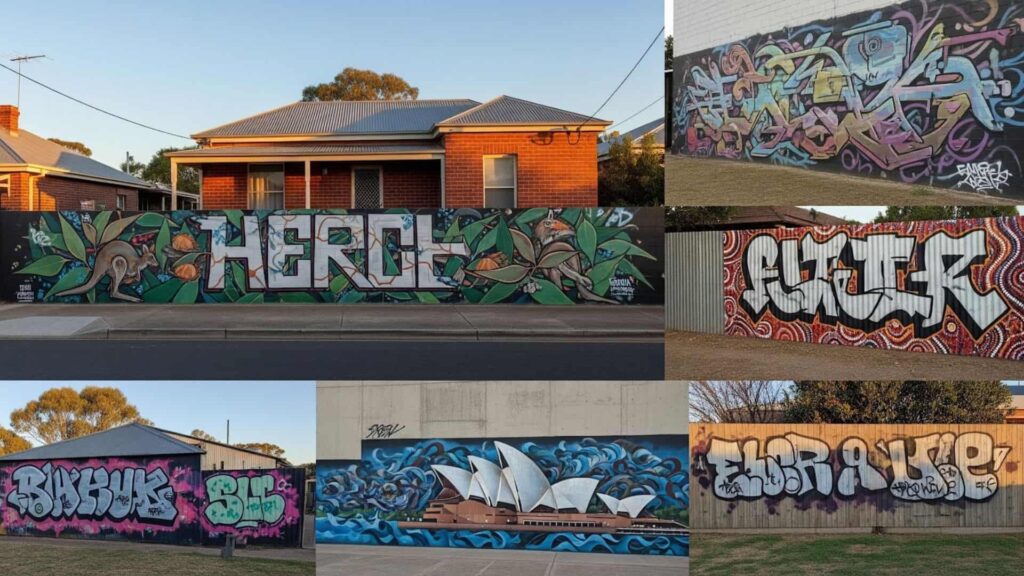
For high visibility walls where tagging is a persistent issue, consider commissioning authorised murals or community art projects.
When done in collaboration with the local council, these projects can turn a recurring problem area into a community asset that vandals are often less likely to target.
Records, insurance, and recovery options
Even if a removal job is relatively quick, it is vital to maintain a simple incident file. This documentation assists with regulatory compliance, future budgeting, and any potential attempts at cost recovery.
Your records should include clear “before and after” photographs of the damage, the contractor’s scope of work and invoices, and any relevant correspondence or reference numbers from the local council.
If the incident was reported, include the police report number and ensure any CCTV clips are retained in accordance with your privacy policy.
Can you recover costs?
If a suspect is identified, you may have legal avenues to seek compensation for the property damage.
Furthermore, many insurers require specific documentation and a standardised internal reporting process to support a claim.
Maintaining a professional paper trail ensures that you are prepared for these recovery options should they become available
Practical checklist: a quick reference for property owners and site managers
- Check council requirements for removal timeframes and reporting.
- Make the area safe and avoid high risk DIY work (heights, unknown chemicals, traffic exposure).
- Photograph and document the graffiti (location, surface, time discovered).
- Report offensive or criminal graffiti to police channels as appropriate.
- Arrange prompt removal to reduce repeat incidents (often within 48 hours).
- Choose the right method for the surface to avoid permanent damage.
- Implement prevention: coatings, lighting, cameras, maintenance, and activation strategies.
- Keep records for compliance, budgeting, and potential recovery.
How Enviro Choice supports safer, more compliant site outcomes
Graffiti removal often sits alongside broader site presentation, asset maintenance, and environmental risk controls.
Where cleaning work intersects with stormwater protection, waste handling, or complex site conditions, the right planning and compliant practices matter.
Enviro Choice supports organisations across Australia’s eastern seaboard with practical, safety first services that help protect people, assets, and the environment.
If your site requires industrial cleaning support, compliant waste management, or advice on managing residues and runoff from maintenance activities, you can speak with the team via Enviro Choice.
Conclusion
Graffiti is a legal and commercial risk as much as a visual one.
Acting quickly, following council requirements, using surface appropriate removal methods, and investing in prevention will reduce repeat incidents and protect property value.
When surfaces are complex, access is difficult, or environmental controls are needed, professional support is usually the safest and most cost effective path.