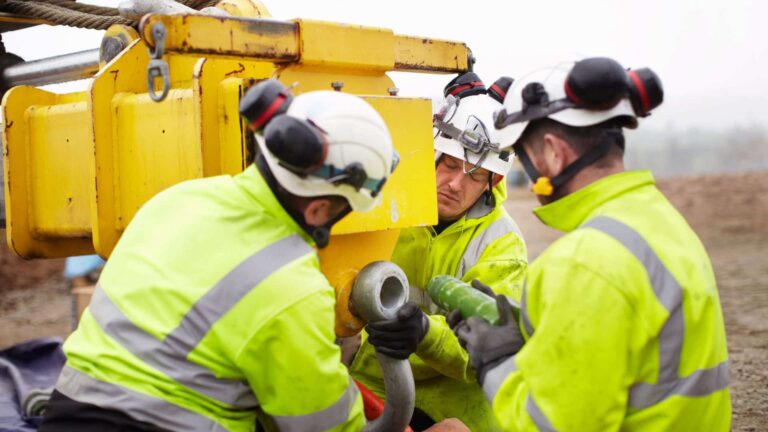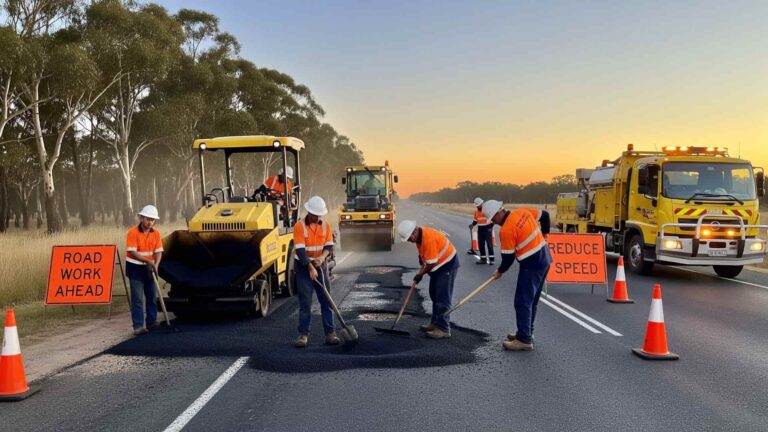
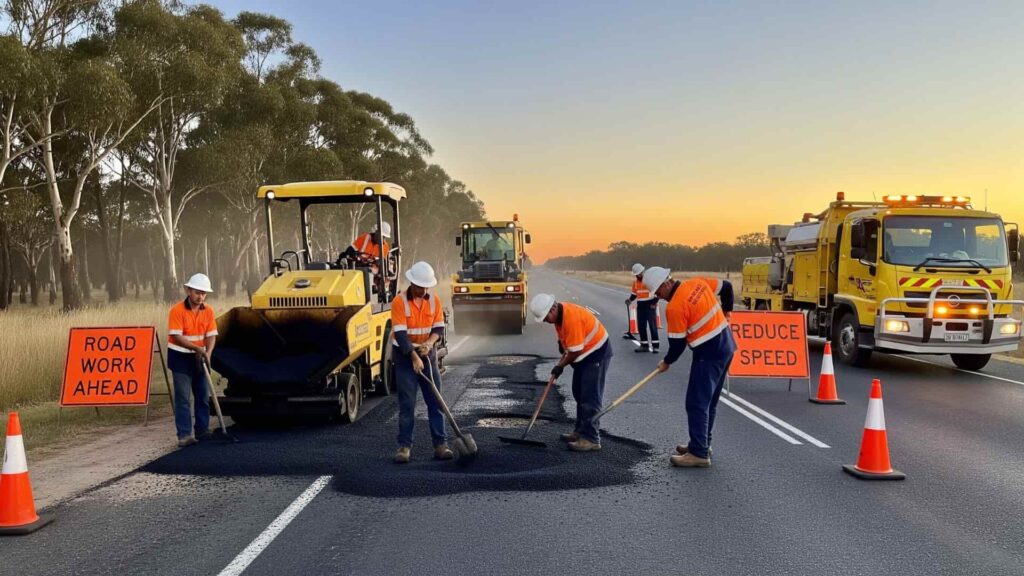
Road asset maintenance and road asset management work hand in hand. Their joint goal is to keep our roads functioning and developed.
Like all large asset management projects, the teams in this industry achieve development through reliability and good service. Our Enviro Choice teams work speaks for itself.
Additionally, we frequently partner with Australian local governments to provide serviceable solutions to our road infrastructure.
In this blog, we look at what road asset management is and why it is an essential practice for any modern and functioning city.
What is road asset maintenance?
Road asset maintenance is a strategic, planned approach to preserving the performance of road networks and not just fixing defects.
It combines condition data, prioritisation, and preventive treatments so roads remain safe, efficient, and cost‑effective throughout their lifecycle.
The business case: why proactive road asset management beats reactive
- Extends asset life: early interventions prevent minor defects becoming costly failures.
- Cuts lifecycle costs: timely maintenance can reduce whole‑of‑life spend by up to 60%.
- Improves safety and user satisfaction: smoother surfaces, clearer drainage, and working safety hardware reduce crash risk and delays.
- Enables smarter decisions: condition data supports transparent, defensible funding and prioritisation.
- Supports sustainability: less reconstruction means fewer materials, less waste, and lower emissions.
- Builds accountability: activity and condition records improve governance and audit readiness.
Plans for the future: forecasting aligns treatments with traffic growth and climate resilience.
Core components of a modern maintenance programme
1) Inspection and condition data
Start with a network‑wide view.
Combine visual inspections with digital tools (laser profilometers, GIS, mobile reporting) to capture roughness, cracking, rutting, skid resistance, drainage condition, and roadside asset status. Standardise data so it’s comparable across years and corridors.
Set inspection frequencies by road class and risk. Log defects with location, severity, and photos to speed approvals. Align ratings to treatment triggers (e.g., reseal vs rehabilitation).
2) Drainage first: pits, culverts, and table drains
Water is pavement’s number one enemy. Keep stormwater moving with scheduled pit and culvert maintenance to prevent subgrade saturation, potholes, and shoulder failures.
Gully pit and gross pollutant trap (GPT) cleaning to maintain capture efficiency. Culvert jetting and vacuum recovery to restore hydraulic capacity. Vegetation control to maintain flow paths and sight lines.
3) Pavement preservation treatments
Apply the right treatment at the right time to slow deterioration and avoid expensive reconstructions. Crack sealing to prevent water ingress. Reseals and surface dressings to renew waterproofing and texture. Thin asphalt overlays and in‑situ stabilisation when structural capacity is at risk.
4) Roadside safety assets
Signs, guardrails, line marking, and lighting are critical risk controls. Keep them visible and compliant. Retroreflectivity checks and line marking renewal. Barrier inspections and impact repairs. Vegetation trimming around sight‑critical assets.
5) Digital planning, prioritisation, and reporting
Use condition models and cost–benefit analyses to rank treatments and build multi‑year programmes. Transparent scoring helps justify budgets and demonstrate value delivered.
Define service levels (by road class) and link them to outcomes: safety, travel time, and asset life.
Bundle works geographically to cut traffic control and mobilisation costs.
Report on spend vs condition change to prove ROI.
Where Enviro Choice fits: practical services that protect your road assets
Enviro Choice supports councils, contractors, and facility operators with specialist industrial and civil services that reinforce road asset performance — delivered safely, compliantly, and on schedule.
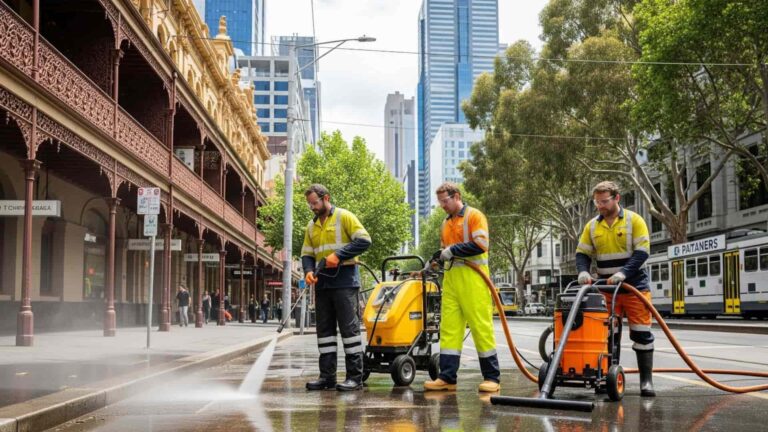
High‑pressure clean and capture
Restore stormwater performance and site cleanliness without re‑contaminating the environment.
Our units jet‑clean pipes and culverts, then vacuum‑recover silt, litter, and hydrocarbons for licensed processing.
Improves drainage capacity and reduces pavement failures.
Minimises environmental risk with capture at source.
Full waste tracking for audit and regulatory reporting.
Non‑destructive digging (NDD) / hydro excavation
Safely locate and expose buried utilities before roadworks, sign installation, or barrier repairs. NDD protects assets, reduces strike risk, and avoids costly outages.
Precision excavations around fibre, gas, water, and electrical assets.
Lower reinstatement costs and safer, faster work fronts. Ideal for urban corridors and sensitive sites.
Hazardous waste collection and treatment
Road maintenance can generate contaminated wastes: oily water, paint wash‑out, line‑marking residues, and hydrocarbon‑impacted soils.
Enviro Choice collects, transports, and processes hazardous waste under EPA‑licensed procedures — keeping your programme compliant end‑to‑end.
Chain of custody and traceability for every load. Recycling and treatment pathways supporting circular‑economy goals. Clear documentation for audits, insurers, and regulators.
24/7 emergency spill response (roads and depots)
Incidents happen — fuel spills, chemical leaks, overturned loads. Rapid containment protects people, pavement, and waterways, and minimises traffic disruption.
Immediate response to contain, clean, and remediate. Traffic‑safe work zones and compliant disposal. Post‑incident reporting to support investigations and claims.
Safety, compliance, and sustainability — built in Enviro Choice’s approach prioritises people, assets, and the environment.
We operate under strict licensing and safe‑work procedures, and never compromise on compliance. EPA‑aligned handling, transport, and processing of wastes.
- Documented risk assessments, method statements, and traffic management.
- Waste minimisation, recycling where feasible, and responsible disposal.
- Audit drainage: schedule gully pit, GPT, and culvert clean‑and‑capture on your top 10 flood‑prone sites.
- Seal water entry points: prioritise crack sealing on sections showing early stripping or pumping.
- Target visibility: refresh line marking on high‑risk curves and approaches to intersections.
- Reduce strike risk: use NDD to confirm services before any roadside footing or post installation.
- Close the loop: standardise waste tracking for all maintenance activities generating liquid or hazardous wastes.
Mini case example: drainage first, damage avoided
A coastal council identified repeat pothole failures on a collector road after heavy rain. Enviro Choice deployed high‑pressure clean‑and‑capture units to jet and vacuum three blocked culverts and 28 gully pits, safely removing accumulated silt, organics, and hydrocarbons.
With drainage capacity restored and wastes processed under licensed procedures, follow‑up crack sealing held through the wet season, reducing call‑outs and complaints. The council received full waste tracking and a brief condition report to inform its forward programme.
Next steps
If you manage roads, depots, or roadside assets, a focused maintenance push on drainage, preservation, and incident readiness will pay off quickly — in safety, satisfaction, and savings. Enviro Choice is ready to help with practical services and clear reporting.